

The cherry tree
Horizontal stripes are in
Here you can see the typical bark of a cherry tree. Along with the dense, piled cluster of buds at the end of a shoot, a cherry tree can be easily recognized ,with a little practice even in winter.
The shiny, reddish-brown bark, which peels off in horizontal stripes, is sometimes called curly bark. The distinctive horizontal stripes are formed by the so-called lenticels or cork pores. The tree needs these for gas exchange in the bark.
Ancestress bird cherry
The ancestress of our cultivated cherry is the bird cherry (Prununs avium ssp. Avium, avis = lat. bird). Even today, these beautiful trees can be found along forest edges and embankments. As the name suggests, the fruits are highly desired by birds, which spread the seeds. But already our middle stone age ancestors might have eaten the fruits, as archaeological findings prove.
The ancient Romans called cherries cerasus after the city Kerasos, which was adopted by the Germanic tribes and became the German word „Kirsche“ in the course of time. (cf. also French cerise and English cherry) Cherries can be traced back to 1469.
Delicious spoils of war
But bird cherries are not particularly sweet and there is very little flesh in proportion to the stone. The first successful cultivations seem to have taken place on the Black Sea coast of Asia Minor (also see info on fruit tree cultivation). The Roman general Lucius Lucinius Lucullis brought the first large, juicy sweet cherries home to Rome in 74 BC. It is nice that up to now hardly anybody knows about the battles of Mr. Lucullus, because most people associate him with culinary delights. He probably understood how to establish a monument to himself!
Symbolic cherry
The sweet, juicy, plump red fruit is considered an attribute of love. Sometimes the fruits even have the shape of a heart. And they have always been considered a bit sinful, not only because of their enormous sugar content. Ripe cherries are said to lead to sensual pleasure and passion, so the church felt compelled to revile the fruit as impure and forbidden, similar to the apple.
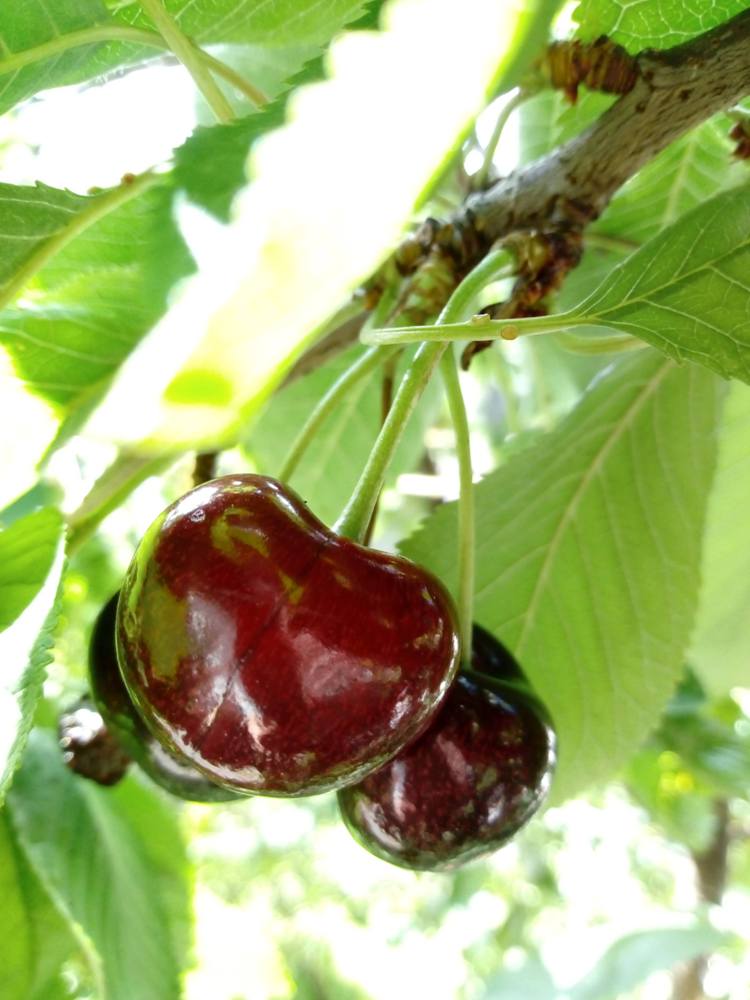
Ripe cultured cherry in the shape of a heart.
Beneficial cherries
The leaves of young cherry trees, along with blackberry, raspberry and strawberry leaves, belong in good home tea. An infusion of the fruit stems is considered a proven expectorant home remedy for persistent coughs, especially for children.
Similar to plums and damsons, cherry trees form a tough, reddish, rubbery mass as a wound closure when the inner bark is injured, the so-called „fool’s gold“ or „gum resin“. Dissolved in wine, this was considered an excellent cough remedy. (Also see info on amber)
Even today we know the soothing, warming effect of a cherry pit pillow: dried pits are sewn in, warmed up and serve as a bed warmer.
Cherry blossom-drunk Japan
The Lignorama has a close connection to Japan, as our main building was the Austrian pavilion at the 1998 Winter Olympics in Hakuba/Nagano. In no other country the cherry tree is held in such heartfelt, sincere esteem as in Japan. The Cherry Blossom Festival has been celebrated there in honor of the tree for about 1000 years. It is said that the cherry blossom, whose grace never fades, holds the true essence, the secret of Japan.
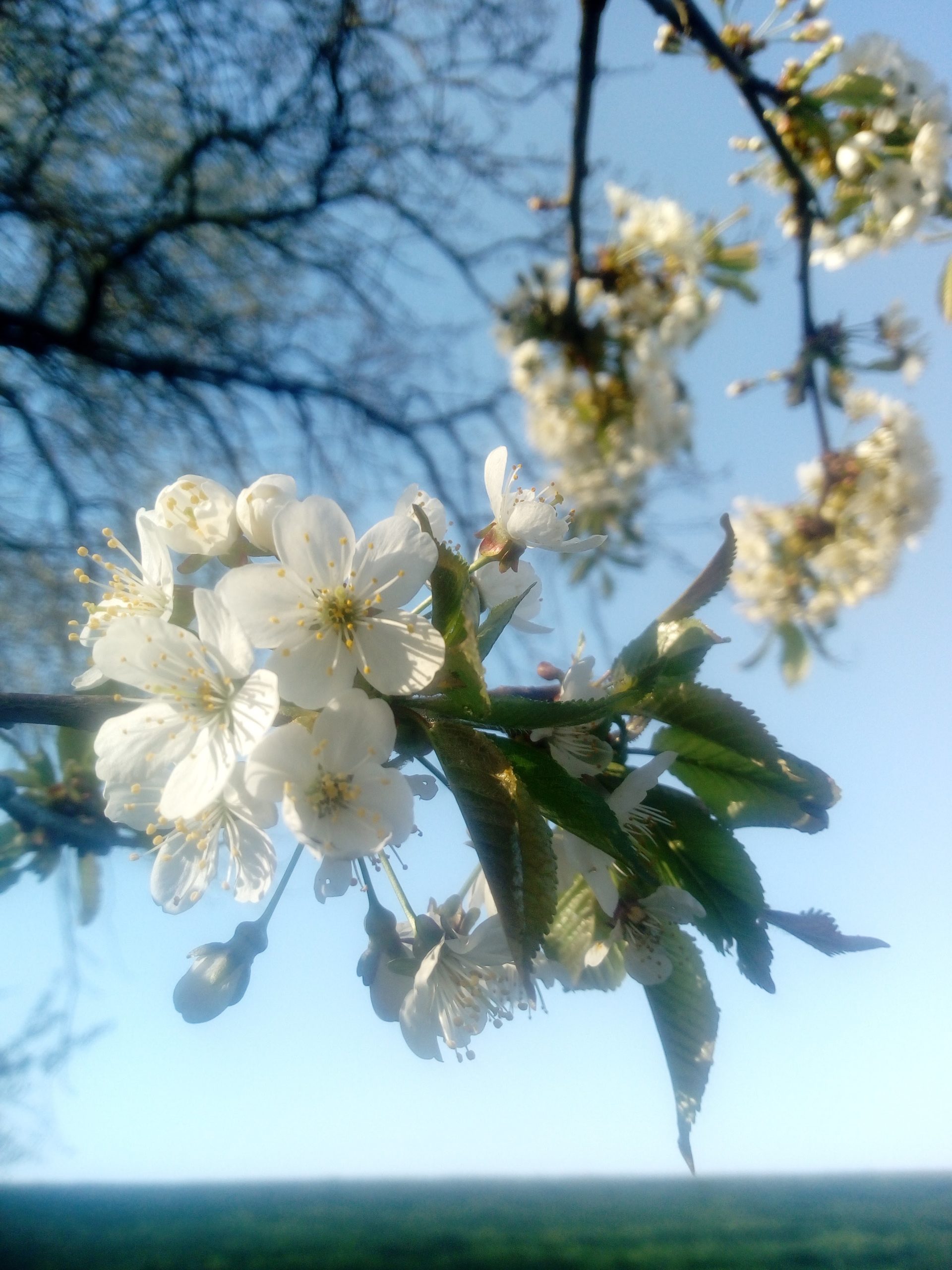
Bird cherry (Prunus avium ssp. avium) blossom. The bird cherry is the wild form and ancestor of our cultivated cherry and can still sometimes be found at forest edges.
Source: Doris Laudert „Mythos Baum“, BLV Verlagsgesellschaft, Munich 2003 (Photos Cornelia Schlosser).